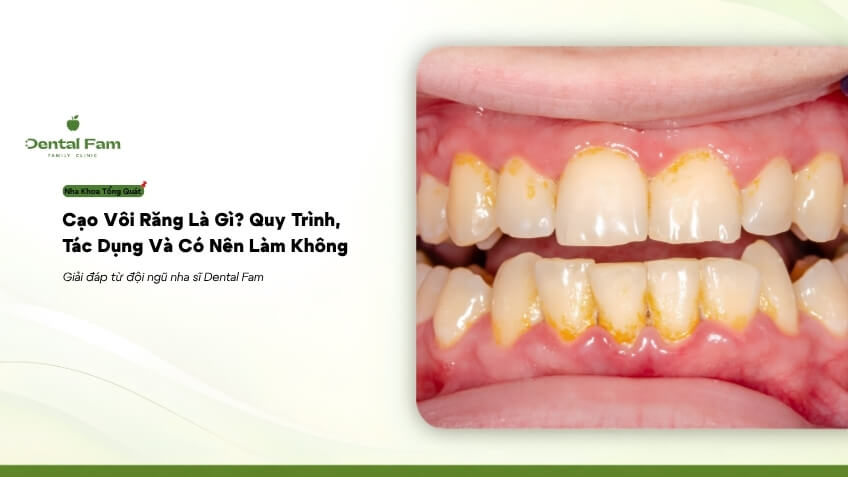
What is Dental Scaling?
Dental scaling is a procedure to clean tartar, the hardened, calcified plaque that adheres to the teeth and below the gum line, using specialized instruments or equipment at a dental clinic.
To understand why dental treatment is necessary, it's important to know how tartar forms. Plaque is a layer of bacteria and leftover food that, if not properly cleaned, gradually mineralizes. According to the Cleveland Clinic, tartar is composed of dead, mineralized bacteria mixed with a small amount of mineralized salivary proteins, including calcium phosphate, calcium carbonate, and magnesium phosphate.
This mineralization process makes tartar hard and firmly attached, unlike the soft plaque that a toothbrush can remove. According to the same source, once plaque has hardened into tartar, brushing and flossing are no longer effective; only a dentist or dental technician can remove it in a professional cleaning.
What are the Benefits of Teeth Cleaning?
Teeth cleaning helps prevent gingivitis and periodontitis, reduces bad breath, lowers the risk of cavities, and improves aesthetics by reducing yellowing of teeth due to plaque.
These are clear and direct benefits related to removing tartar. Tartar is where bacteria accumulate; if left untreated, it will irritate the gums, leading to gingivitis and progressing to periodontitis if not treated promptly. Regular tartar removal also helps reduce bad breath caused by bacteria and limits the favorable environment for cavities to develop. Aesthetically, teeth will look brighter after cleaning tartar and surface plaque, although this is not a true teeth whitening method (different in nature from teeth bleaching, details explained below).
Conversely, neglecting regular dental scaling will allow tartar to continue accumulating and spreading below the gum line, leading to chronic gingivitis that can easily progress to periodontitis, and even bone loss around the teeth if left untreated for too long. At this stage, treatment costs (gum pocket curettage, periodontal treatment with or without surgery) are usually much higher and more time-consuming than maintaining regular scaling from the beginning.
How Does Dental Scaling Work at Dental Fam?
The process consists of 4 steps and takes approximately 30 minutes: examination and assessment of tartar levels, wearing protective glasses, operating the scaling device on each tooth area, and a follow-up check and polishing.
Specifically, the dentist or technician will examine and assess the level of tartar buildup before starting, after which the patient will wear protective eyewear to ensure safety. Next is the main procedure: using an ultrasonic scaler or Aquacare sandblasting technology to treat each area of the teeth, combined with water spraying to cool and rinse away debris. Finally, the dentist will check the entire oral cavity and polish the teeth; this step is included in the price and does not incur any additional charges.
Immediately after the scaling procedure, you can eat and drink normally without waiting. You should only limit foods that are too hot, too cold, or highly acidic on the first day to avoid temporary sensitivity if your gums are still sensitive.
Is Teeth Scaling Painful? Does It Affect Tooth Enamel?
Generally, it's not painful, only slightly sensitive depending on individual sensitivity and the degree of gum inflammation. Properly performed ultrasonic scaling will not wear down or damage tooth enamel.
This is a question many people have before deciding to have the procedure done, even those who have had uncomfortable experiences elsewhere.
How Often Should You Get Your Teeth Cleaned?
The commonly recommended frequency is every 6 months, while for heavy smokers or those with poor oral hygiene, every 3 months is more suitable.
The appropriate frequency also depends on individual physiology and oral hygiene habits; not everyone is the same.
Do Porcelain Veneers Need Teeth Cleaning?
Yes. Porcelain veneers still accumulate plaque like natural teeth, so they still need regular cleaning, just be aware of one difference compared to natural teeth.
Many people think that after getting porcelain veneers, plaque no longer accumulates, but in reality, the surface of porcelain veneers still accumulates plaque and tartar similar to natural teeth, and still needs proper regular cleaning. A specific point to note: the ultrasonic scaler can scratch the enamel if the veneers are of low quality, so you should inform your dentist beforehand that you have porcelain veneers so that the force can be adjusted accordingly during the procedure.
Should You Clean Your Teeth at Home?
No, because commercially available scaling tools and machines cannot control the force and depth like professional dental equipment, easily causing gum damage or infection.
Frequently Asked Questions
What is dental scaling in English?
Dental scaling is commonly called ""dental scaling"" or ""tartar removal"" in English, while tartar is called ""tartar"" or ""dental calculus"".
Does dental scaling whiten teeth?
No, they are fundamentally different. Dental scaling only cleans tartar and surface stains, so teeth may look brighter, but it doesn't change the actual color of the teeth. Teeth whitening is the method that affects tooth pigmentation to truly whiten them.
Dental scaling is a procedure to remove tartar, which is hardened plaque that cannot be removed by regular brushing, helping to prevent gingivitis, periodontitis, bad breath, and cavities. The procedure at the clinic only takes about 30 minutes with clear steps and is much safer than self-treatment at home.
Whether it's natural teeth or porcelain veneers, maintaining regular scaling every 6 months is still the most effective way to protect long-term oral health. At Dental Fam, this procedure is performed with two technology options and transparent pricing, suitable for specific needs.