Does Teeth Whitening Hurt?
Teeth whitening generally does not cause pain when performed correctly at a reputable clinic. Some people may feel mild, fleeting sensitivity during or after the procedure — this is a normal response of the teeth to the whitening agent, not a sign of damage.
At its core, teeth whitening is a process that uses an oxidising agent to break down pigment molecules on the tooth surface, brightening your smile by several shades without grinding down or invasively altering your natural tooth structure.
So why does one person feel nothing at all, while another notices noticeable sensitivity from the same procedure? The answer lies in correctly distinguishing two concepts that are often lumped together: sensitivity and pain.

How Is Sensitivity Different from Pain During Teeth Whitening?
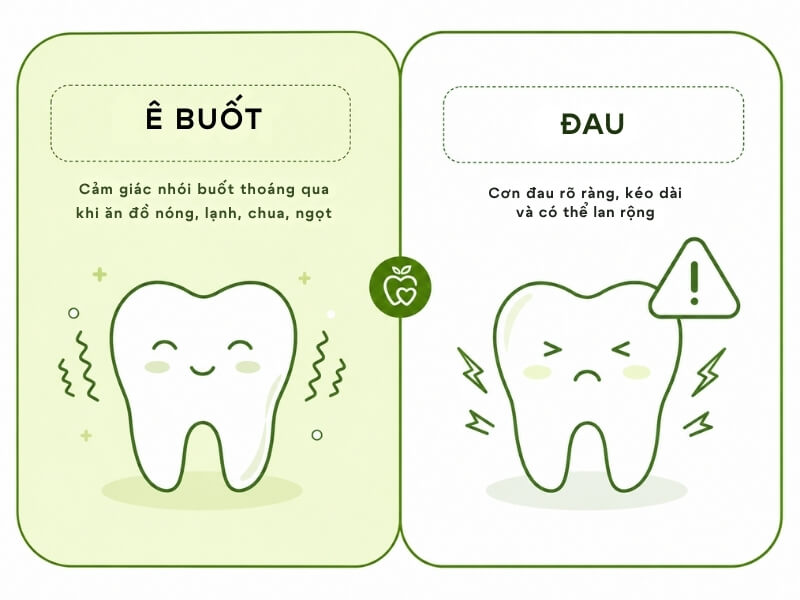
Sensitivity is a temporary physiological response of the dentine, while pain in the sense of tissue damage is an abnormal sign that does not belong to the normal whitening process. This section will clarify two things: where sensitivity comes from, and where the line between normal sensitivity and abnormal pain lies.
Why Is Sensitivity a Temporary Physiological Response?
Sensitivity occurs when the whitening agent permeates through the enamel, temporarily causing fluid movement within the dentinal tubules (the tissue layer beneath the enamel that contains tiny channels leading to the pulp), which stimulates the nerve endings inside the tooth pulp. This is a transient response that does not damage the tooth structure. According to a 2024 systematic review published in Applied Sciences (MDPI), post-whitening sensitivity may be related to fluid movement within the dentinal tubules stimulating pulp receptors, or to surface changes caused by the low pH of the whitening agent. In other words, this is a response that can be fully explained by physiological mechanisms — not a "mysterious side effect."
How Is Pain (Actual Damage) Different from Sensitivity?
If the discomfort lasts abnormally long and is accompanied by swollen gums, bleeding, or fever, this is no longer physiological sensitivity — it is a sign that your dentist needs to take another look. The boundary between the two states lies mainly in how long the feeling lasts and the severity of any accompanying symptoms. You'll find a specific reference point to check against in the section below.
Now that you understand that boundary, the next natural question is: what determines whether you'll fall into the "feel nothing at all" group or the "mild sensitivity" group?
What Factors Influence the Degree of Sensitivity?
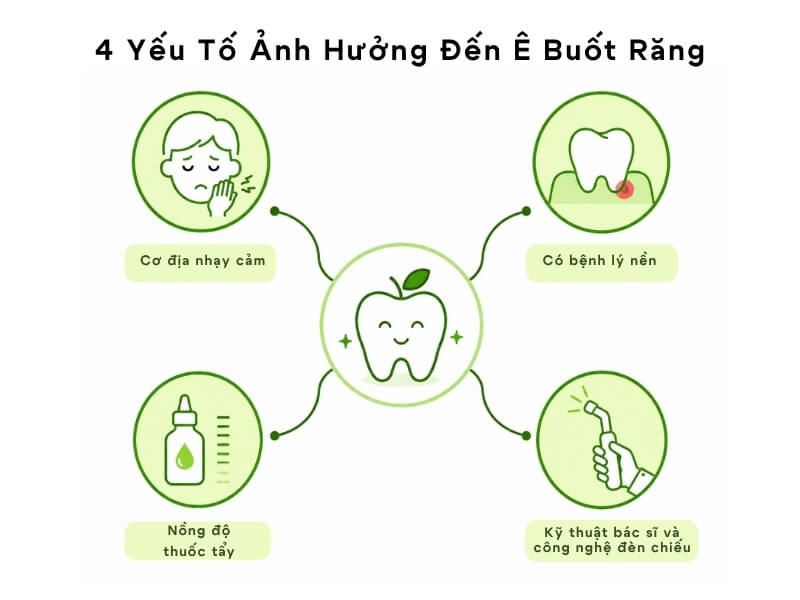
The degree of sensitivity during teeth whitening is governed by 4 groups of factors: your natural tooth sensitivity, any underlying dental conditions, the concentration of the whitening agent, and the technique, skill, and light technology used during the procedure.
Naturally Sensitive Teeth
People who already have sensitive teeth are more likely to experience sensitivity during whitening — but this does not mean whitening is off the table. Sensitivity related to natural tooth disposition can be fully managed by adjusting the concentration of the whitening agent and tailoring the procedure to the individual.
Untreated Underlying Dental Conditions
If you currently have gingivitis, tooth decay, or periodontitis that hasn't been treated, the whitening agent may cause stronger irritation than normal. This is why your dentist always needs to carry out a comprehensive examination before recommending whitening, rather than proceeding the moment you ask.
Concentration of the Whitening Agent
The higher the concentration of the whitening agent, the greater the likelihood of sensitivity. According to a 2018 Cochrane review (cited by the American Dental Association, ADA), tooth sensitivity and oral irritation are the most common side effects of whitening products, occurring more frequently at higher concentrations — but are rated as mild and temporary.
Dentist Technique, Skill, and Light Technology Used
A dentist using correct technique, combined with appropriate light technology, significantly reduces the risk of sensitivity throughout the whitening process. Careful gum isolation, well-managed light exposure time, and the use of low-heat LED lights instead of traditional heat lamps are three technical factors that work together: good technology used incorrectly can still cause irritation, and vice versa.
Summary table of the 4 factors affecting sensitivity:
| Factor | Effect on Sensitivity | How It's Managed |
| Naturally sensitive teeth | More prone to sensitivity than others | Adjust concentration and procedure accordingly |
| Underlying dental conditions | Increased irritation upon contact with whitening agent | Fully treat conditions before whitening |
| Whitening agent concentration | Higher concentration increases the likelihood of sensitivity | Dentist adjusts concentration for each individual |
| Dentist technique and light technology | Incorrect technique or high-heat lamps can cause sensitivity | Proper gum isolation, use of low-heat LED lights |
Now that you know these 4 factors, there's a more practical question that very few articles answer clearly: during a whitening session, at what point are you most likely to feel sensitivity?
When During the Whitening Process Is Sensitivity Most Likely?
Sensitivity tends to be most noticeable during the light exposure phases towards the end of the session, and in the first few hours after leaving the clinic — then gradually eases as the teeth recover their natural moisture and minerals. If you feel a little sensitivity during the procedure or shortly after getting home, this is a normal part of the tooth recovery process, not a sign that something has gone wrong.
So how long does this "recovery" actually take? This is exactly the question many people search for right after their whitening session.
How Long Does Sensitivity Last After Teeth Whitening?
Sensitivity after whitening typically subsides within 1 to 3 days as the teeth recover their natural moisture and minerals. This is a helpful reference point: if your sensitivity falls within this timeframe and gradually decreases each day, there's no need to worry.
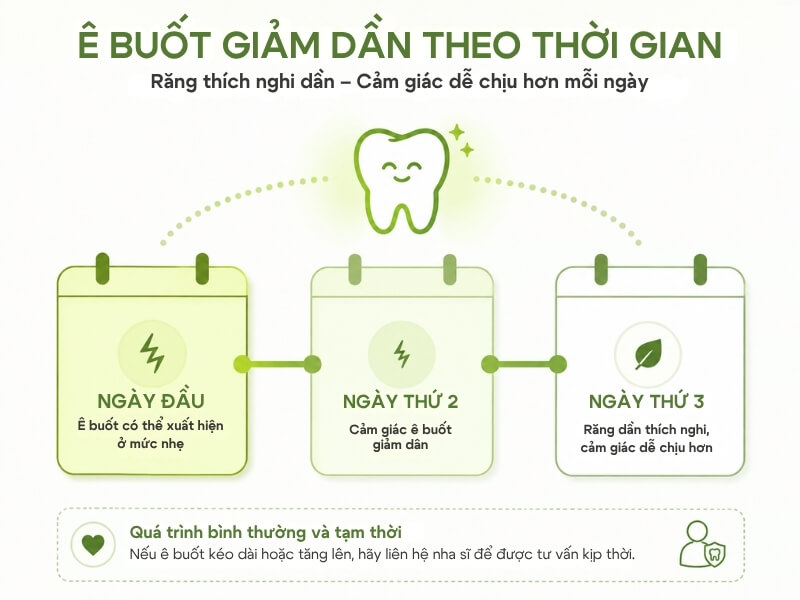
But if it lasts beyond this point, that's your signal to proactively book a follow-up rather than continue managing it on your own — more on this in the next section.
How Can You Reduce Sensitivity During and After Teeth Whitening?
A few simple steps can help ease sensitivity during this period, mainly centred around caring for your teeth properly in the first few days.
- Use toothpaste formulated for sensitive teeth for a few days before and after whitening
- Avoid food and drinks that are very hot or very cold for the first 1 to 2 days
- Rinse with warm salt water to soothe any discomfort
- Stick to soft foods and avoid biting hard on the areas that were just whitened
These measures help shorten the duration of sensitivity — but how do you know when home care is no longer enough?
Does Sensitivity That Lasts Longer Than Usual Mean You Need to See Your Dentist Again?
If sensitivity persists beyond 3 days, is trending worse rather than better, or is accompanied by swollen gums or bleeding, this may be a sign that you need your dentist to take another look rather than continuing to manage it at home. Three warning signs to watch for:
- Sensitivity that hasn't improved after 3 days, or is getting worse
- Gums that are swollen, red, or have an unusual burning sensation
- Bleeding, or aching pain that spreads to other areas
Having a clear threshold like this means you no longer have to guess "am I okay?" — you can confidently decide when it's time to return to the clinic.
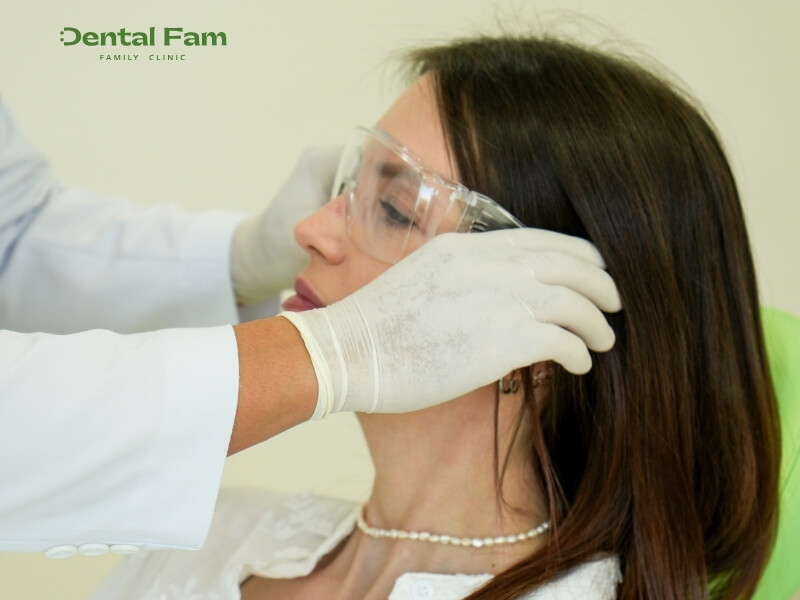
Technology and Sensitivity-Control Procedures at Dental Fam
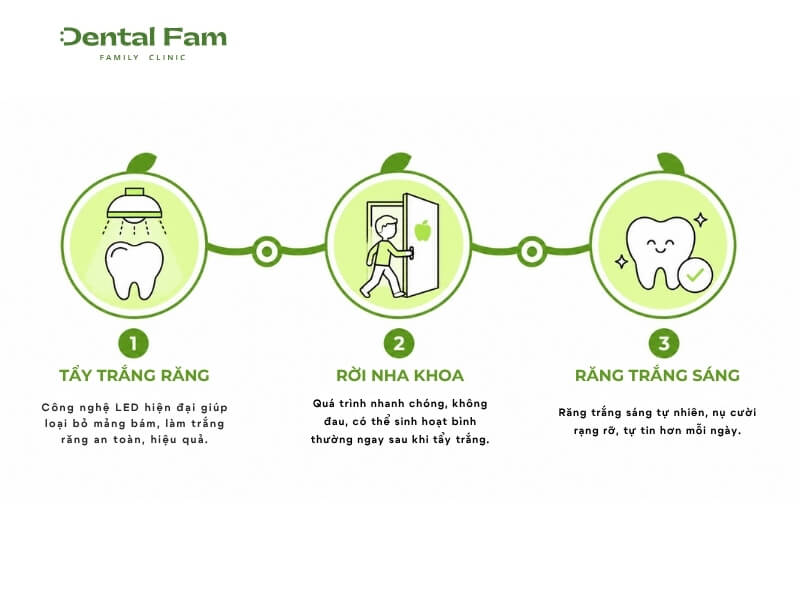
At Dental Fam, the teeth whitening procedure uses low-heat LED lights combined with standardised gum isolation, helping to minimise sensitivity both during and after treatment. The process covers three key points:
- Comprehensive examination and full treatment of any underlying dental conditions before whitening begins
- Adjusting the whitening agent concentration to match each individual's sensitivity level, rather than applying a one-size-fits-all approach
- Using low-heat LED lights and meticulous gum isolation throughout the light exposure phase
Understanding how sensitivity works, knowing how to care for yourself at home, and knowing when to seek professional advice — these are all you need to stop putting off your whitening decision out of a fear that was never clearly explained.
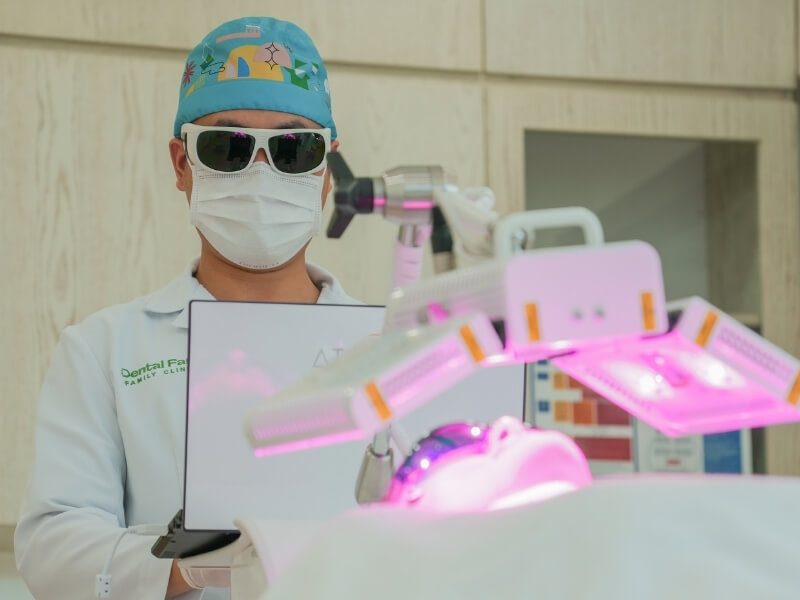
Low-heat LED lights and standardised gum isolation at Dental Fam help minimise sensitivity throughout the whitening process.
Frequently Asked Questions About Sensitivity During Teeth Whitening
Does Teeth Whitening Damage Enamel in the Long Run?
Teeth whitening performed with the correct technique, the right concentration, and at the recommended frequency does not cause long-term enamel damage. Temporary sensitivity after whitening does not mean permanent harm. See the detailed analysis in the article "Is Teeth Whitening Harmful?".
Does At-Home Whitening Cause More Sensitivity Than In-Clinic Whitening?
Yes — because at-home whitening is typically not supervised by a dentist for agent concentration and gum isolation the way in-clinic treatment is, the risk of prolonged sensitivity or irritation tends to be higher.
Is It Necessary to Take Pain Relief Before Whitening?
Taking pain relief before teeth whitening is not mandatory, but it can be very helpful for people with sensitive teeth, as it helps reduce sensitivity during and after the whitening process. To find out the right medication and dosage for your specific dental condition, it's best to speak directly with a specialist dentist at Dental Fam during your pre-whitening consultation.
Sensitivity during teeth whitening is a temporary physiological response — one that can be explained by a specific mechanism, managed with the right technique and technology, and assessed against a clear timeframe (1 to 3 days). Understanding this puts you in a position to confidently book your whitening appointment instead of continuing to delay. If you're still unsure about how sensitive your teeth are, the team at Dental Fam can examine you and recommend the right concentration and technology before you make your decision.
Dental Fam - Family Dental Clinic
- Address: NOTT 28, 29, 30 Phước Long A, Nha Trang, Khanh Hoa
- Phone/Hotline: +84 582 582 345
- Email: info@dentalfam.vn