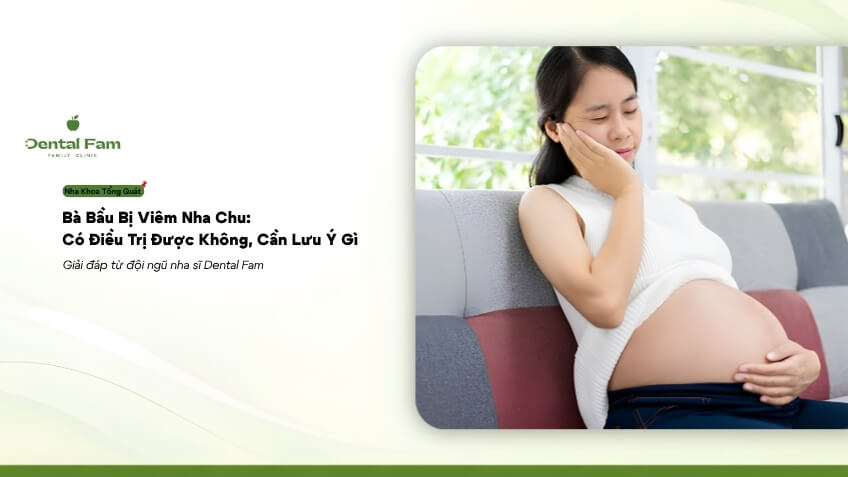
Can pregnant women with periodontal disease be treated?
Yes, periodontal disease can be treated during pregnancy, regardless of the trimester, and you shouldn't delay treatment if you have symptoms. Non-surgical methods are performed when indicated by a doctor, after assessing your gum condition and pregnancy. The doctor will explain each step clearly before starting so you can be prepared.
Many mothers worry about the effect of treatment on the fetus. Generally, non-surgical periodontal treatment, when indicated, is considered appropriate during pregnancy; the doctor will choose the timing, method, and medication according to gestational age, and coordinate with the obstetrician if the pregnancy is high-risk.
No method is guaranteed, so if you are concerned about miscarriage or premature birth, please tell your doctor so they can explain it to you according to your specific pregnancy. Every pregnancy is different, so a direct examination is always necessary. To understand why gums are more prone to swelling and redness during pregnancy, the following section explains the causes.
Why are gums more prone to swelling and redness during pregnancy?
The hormones estrogen and progesterone make gums more sensitive during pregnancy, but the main cause of periodontal disease remains bacterial plaque. Hormonal changes cause gums to react more strongly to plaque (the film of bacteria that adheres to teeth and gums). In addition, nausea contributes to less effective oral hygiene than usual, making plaque buildup easier.
These are very common and manageable issues, so you don't need to blame yourself. The overall cause of the condition is explained in the article on the causes of periodontal disease. Once you understand the causes, you will easily be able to visualize how treatment will work during pregnancy.
What does periodontal treatment involve during pregnancy?
Treatment during pregnancy is personalized by your doctor based on your gestational age and health condition. It includes non-surgical methods when indicated, medications chosen by your doctor, and coordination with your obstetrician when necessary. This includes three branches: non-surgical treatment, anesthesia, pain relief and antibiotics, and high-risk pregnancies.
Non-surgical treatment during pregnancy
Non-surgical periodontal treatment can be performed during pregnancy when indicated. Your doctor will measure the depth of the periodontal pockets (the space between the teeth and gums), assess the degree of attachment loss (the gradual loss of tooth attachment), and check for bleeding during exploration. They will then clean the subgingival area and treat the root surface of the affected teeth. If more extensive intervention is needed, your doctor will discuss the appropriate options and timing with you.
Anesthetics, Painkillers, and Antibiotics During Pregnancy
Anesthetics, painkillers, and antibiotics are all chosen by your doctor based on your gestational age, and you should not self-medicate. The type of medication, whether or not to use it, and when to use it depend on each stage of pregnancy, so buying painkillers or antibiotics without a prior examination may not be appropriate. General guidelines regarding medication for periodontal disease are discussed in the article ""What Medications to Take for Periodontal Disease."" Dental Fam will guide you step-by-step to ensure your comfort.
High-Risk Pregnancy
If your pregnancy is high-risk, your dentist will work with your obstetrician to develop a suitable plan. You should inform your doctor about your pregnancy, underlying medical conditions, and medications you are currently taking to facilitate this collaboration.
After learning about the treatment plan, many expectant mothers want to know how they can care for themselves between appointments.
How should pregnant women care for their gums at home?
Pregnant women should maintain regular oral hygiene with proper brushing techniques and interdental cleaning, as plaque control remains fundamental. If nausea makes brushing uncomfortable, you can discuss this with your doctor to find a suitable cleaning method. Home care helps maintain results but does not replace clinic treatment; see the article on how to care for periodontal disease at home.
If your gum condition hasn't improved despite regular cleaning, it's time to schedule an appointment, as described below.
When should pregnant women schedule a periodontal appointment?
You should schedule an appointment if you notice swollen, red, bleeding gums, persistent bad breath, receding gums, or loose teeth, and you don't need to wait until after giving birth. If there is pus between the teeth and gums, you should have your dentist check it early. Pregnancy is a time when gums are prone to change, so early check-ups allow the doctor to choose a gentler treatment option for you. Detailed signs and symptoms can be found in the article on signs of periodontal disease.
How does Dental Fam support pregnant mothers?
Dental Fam examines, measures, and takes X-rays to assess the severity of periodontal disease, then the doctor advises on a treatment plan suitable for your pregnancy. Treatment for periodontal disease has three categories: non-surgical, LASER (laser therapy), and surgical, prescribed per tooth, starting from 500,000 VND per tooth, including examination and consultation. The doctor chooses the treatment and medication based on your pregnancy, and you will be clearly informed of the costs before treatment.
Frequently Asked Questions about Periodontal Disease During Pregnancy
This section answers six frequently asked questions from pregnant mothers: treatment in the first trimester, pain medication, over-the-counter medications, X-rays, waiting until after childbirth, and what happens if treatment is not started.**
Is it safe to treat periodontal disease during the first trimester of pregnancy?
Yes, it is possible, as treatment is not limited by trimester and is only performed when prescribed by a doctor. Please inform your doctor of your gestational age so that the appropriate treatment plan can be chosen.
Is it safe to use pain medication during periodontal disease treatment while pregnant?
Pain medication is chosen by your doctor based on your gestational age, and you should not self-medicate. If you experience pain or discomfort, contact your dentist or obstetrician for appropriate guidance instead of self-medicating.
Can pregnant women self-medicate with antibiotics or mouthwash to treat periodontal disease?
You should not self-medicate with antibiotics, and mouthwash should only be used when prescribed by a doctor. Antibiotics are only considered in select cases and are decided by a doctor based on gestational age. The treatment approach remains plaque control and mechanical cleaning of the subgingival area.
Should I wait until after giving birth to treat periodontal disease?
You shouldn't delay treatment if you have symptoms, as it's still treatable during pregnancy. Your doctor will assess your gum condition and pregnancy to recommend the appropriate time and method for you. After childbirth, hormonal changes may make your gums less sensitive, but plaque and existing damage won't disappear on their own, so you don't need to wait until then.
Is an X-ray necessary during pregnancy for periodontal disease treatment?
Your doctor will only take X-rays when absolutely necessary for diagnosis, and you need to inform them of your pregnancy before the procedure. Your doctor will weigh the benefits against the needs of each individual case and discuss it with you before proceeding. This article doesn't provide specific technical details as each case is different.**
What are the consequences of not treating periodontal disease during pregnancy?
Uncontrolled periodontal disease can continue to progress, and medical literature has noted a link to some pregnancy complications such as premature birth, but it has not been definitively identified as a direct cause. You don't need to worry too much; it's helpful to see a doctor early for assessment and to choose a treatment plan suitable for your pregnancy.
Pregnant women with periodontal disease can still receive treatment, regardless of trimester, and non-surgical methods are performed when indicated by a doctor. Hormones make gums more sensitive, but the main cause remains plaque; medication is chosen by a doctor based on gestational age, so you shouldn't self-medicate.
If you experience persistent gum swelling, bleeding, or bad breath, schedule an appointment at Dental Fam for assessment and advice on a treatment plan suitable for your pregnancy.
Dental Fam - Family Clinic
- Address: NOTT 28, 29, 30, Phuoc Long A Urban Area, Nha Trang, Khanh Hoa
- Hotline: +84 582 582 345 / +84 983 001 768
- Email: info@dentalfam.vn