What Oral Hygiene Tools Are Essential When Wearing Braces?
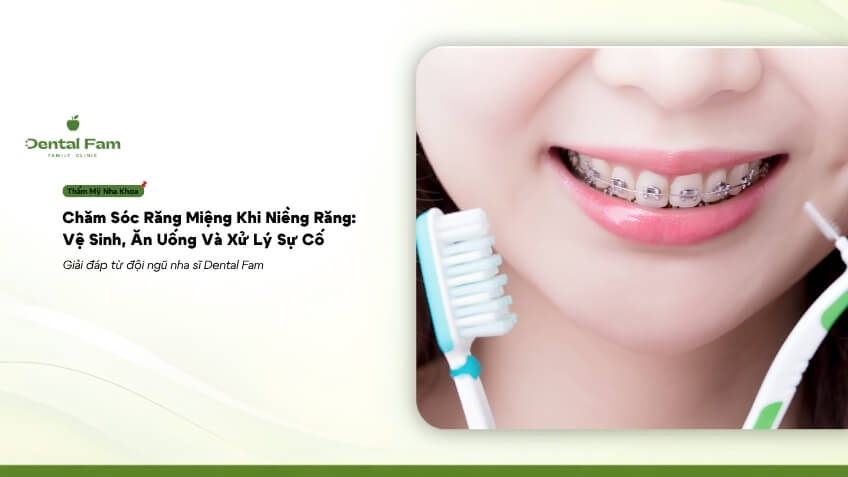
People wearing braces need at least four tools: interdental brushes, specialized floss threader or water flosser, a small-headed soft-bristle toothbrush, and orthodontic wax. Regular toothbrushes can't reach the gaps between the archwires and gums, while interdental brushes, with their small, conical design, can reach between the brackets to remove plaque that regular brushes miss.
The correct brushing sequence when wearing braces involves three steps: cleaning the brackets first, then the interdental spaces, and finally the inner surfaces of the teeth and tongue. Begin by using a soft-bristle toothbrush, brushing at a 45-degree angle around each bracket to remove plaque buildup, as this is where food easily gets trapped. Then, use an interdental brush or floss threaded through the archwires to clean the spaces between the teeth, areas the toothbrush can't reach. The final step is brushing the inner surfaces of the teeth and tongue as usual. Reversing this order (brushing the inner surfaces first, then the brackets) isn't wrong in principle, but it can easily lead to the bracket cleaning step being missed due to tired hands or rushing. Therefore, dentists usually recommend cleaning the brackets first to ensure the most important step is done thoroughly.
Brushing time while wearing braces should be about 3-5 minutes each time, longer than the usual 2 minutes, because extra time is needed for cleaning around the brackets and using interdental brushes. If you only brush for 2 minutes like you would with straight teeth, most of the time will be spent superficially brushing the more accessible surfaces, while the area around the brackets (where the risk of cavities is highest during orthodontic treatment) will be neglected.
The minimum frequency of brushing while wearing braces is after each main meal, which is about 3 times a day, instead of the usual 2 times a day (morning and evening). The reason is that braces trap more food particles than normal teeth, and if plaque accumulates throughout the day until evening before cleaning, the risk of cavities and gingivitis around the braces increases significantly. For those who cannot brush their teeth immediately after lunch (work, school), rinsing with clean water or mouthwash immediately after eating, then brushing again in the evening, is a temporary alternative.
When are archwires, elastics, and orthodontic appliances replaced, and what to do if they come loose?
Armwires and elastics are replaced periodically at each follow-up appointment, usually every 4-6 weeks, to maintain the force pulling the teeth. Between appointments, appliances can still come loose or come off due to impact during eating or daily activities, and this is the most common situation people with braces encounter outside of scheduled appointments.
If a bracket comes loose or the archwire pokes into your cheek, the temporary solution is to apply orthodontic wax to the protruding or sharp part of the appliance, then contact your dentist to schedule a follow-up appointment in 1-2 days. Do not attempt to bend, cut the archwire, or remove the bracket yourself with your hands or other tools, as incorrect manipulation can disrupt the traction force or damage the gums.
If a bracket comes loose due to eating hard food, accompanied by mild sensitivity or pain, this is usually a temporary reaction of the teeth to a sudden change in traction force and is not a sign of serious damage, but a direct examination by a dentist is still necessary for confirmation. While waiting for your appointment, you can reduce sensitivity by eating soft foods, avoiding chewing on the area where the bracket came loose, and rinsing with warm salt water to temporarily relieve discomfort.
If orthodontic wax isn't available when the brackets poke into your cheeks or the archwires are sharp, you can temporarily use a clean cotton ball or sugar-free chewing gum on the protruding brackets to reduce friction with the cheek lining while waiting to buy wax or visit the dentist. This is only a temporary solution lasting a few hours at most and is not a long-term replacement for orthodontic wax because it doesn't adhere as firmly and may come loose when eating or talking.
What to eat and avoid while wearing braces?
People wearing braces should prioritize soft foods, cut into small pieces such as rice, porridge, soup, eggs, cooked vegetables, and soft or chopped fruits. These foods reduce direct chewing pressure on the brackets, minimizing the risk of them coming loose while still ensuring adequate nutrition throughout the treatment.
Foods to avoid include hard foods (ice cubes, hard candy, nuts), sticky foods (gummy candies, sugary chewing gum), and foods that require biting directly with the front teeth (whole apples, whole corn cobs, whole chicken thighs). Hard foods can easily dislodge brackets or break archwires, sticky foods cling tightly to the appliance and are difficult to clean, and the action of biting directly with the front teeth creates leverage that can easily dislodge brackets. For hard fruits or vegetables like apples and carrots, the solution is to cut them into small pieces and chew with the molars instead of biting them whole.
How does caring for metal/ceramic braces differ from caring for clear aligners?
People with metal or ceramic braces need to focus on cleaning around the fixed appliance and avoid hard/sticky foods as mentioned above, while those using clear aligners (Invisalign, SMILER) need to focus on cleaning the aligners and adhering to a minimum wearing time of 20-22 hours/day. Clear aligners can be removed for meals, eliminating the risk of food dislodging like with fixed braces. However, users must wear them consistently for the required hours, as removing them for too long or too frequently can slow down tooth movement.
Clear aligners need to be cleaned separately with a soft brush and clean water each time they are removed. Do not use hot water as it can deform the aligners. Before putting them back on after eating, brush your teeth thoroughly to prevent food particles from being pressed against the tooth surface for extended periods. This is a common cause of cavities in clear aligner users if proper hygiene is not maintained.
Frequently Asked Questions about Care When Wearing Braces
How long should I brush my teeth while wearing braces, and in what order?
Approximately 3-5 minutes each time, in the following order: braces first (brushing at a 45-degree angle around the aligner), interdental spaces with an interdental brush or dental floss, and finally the inner surface/tongue.
How many times a day should I brush my teeth while wearing braces?
At least 3 times a day, after each main meal, instead of 2 times like with non-braces teeth, because braces trap more food and plaque accumulates faster around the appliance.
Is wearing a retainer mandatory after removing braces?
Yes, it is mandatory because it will keep the teeth from shifting back to their original position. It helps:
-
Stabilize tooth structure: After removing braces, the jawbone, periodontal ligaments, and soft tissues around the teeth have not yet adapted to their new position.
-
Prevent relapse: Without a retainer, the daily chewing forces and tissue elasticity will pull the teeth back to their pre-braces position.
Can rinsing with salt water replace brushing while wearing braces?
No. Saltwater rinsing only provides temporary relief from discomfort or preliminary cleaning when brushing isn't possible immediately (for example, right after lunch at work). It doesn't remove plaque around the braces as effectively as brushing and using interdental brushes.
In short, oral care during orthodontic treatment revolves around three daily routines: cleaning in the correct order and with sufficient frequency (at least 3 times a day, braces first - interdental spaces then - inner surfaces last), avoiding hard/chewy/sticky foods to reduce the risk of appliance dislodging, and knowing how to temporarily treat problems with orthodontic wax between check-ups.
Maintaining these habits consistently throughout the 24-48 months of treatment significantly reduces the risk of cavities, gingivitis, and unexpected appliance repair costs.