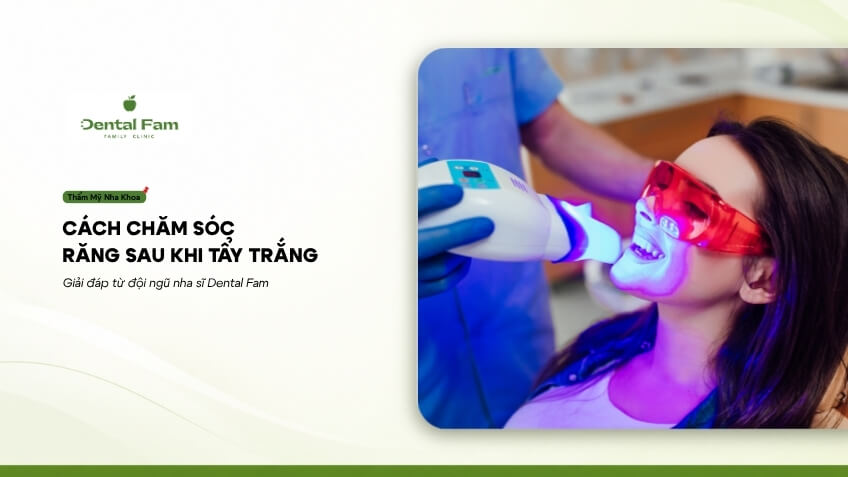
How to Care for Your Teeth in the First 24-72 Hours After Teeth Whitening
In the first 24 to 72 hours, three things should be prioritized: adjusting your diet, brushing your teeth at the right time and in the right way, and avoiding habits that irritate the dentinal tubules (small ducts in the dentin that transmit sensations to the pulp). This is the period when the enamel and dentin are still stabilizing after exposure to the whitening agent, so any actions during this time directly affect whether you feel better quickly or experience prolonged sensitivity.
But knowing ""what to do"" isn't enough. The most common misconception is why some seemingly harmless foods can cause more discomfort.
What to Eat and What to Avoid
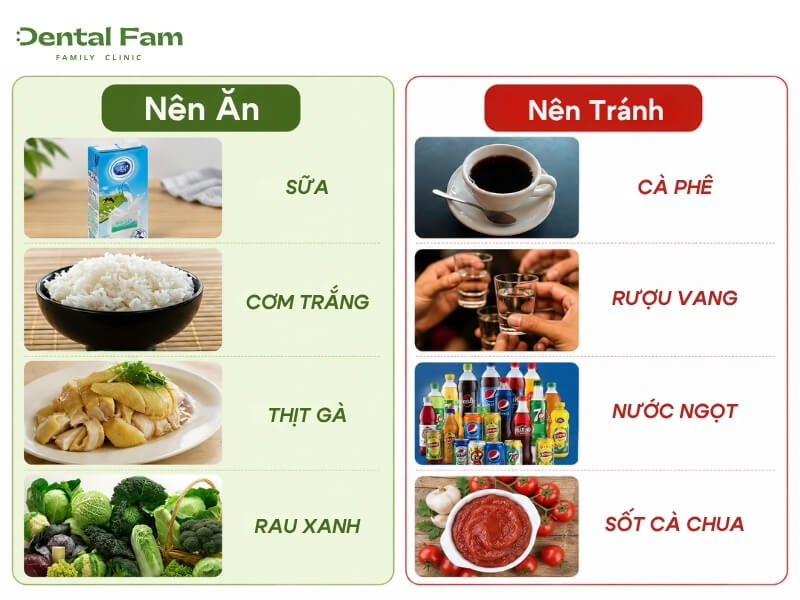
For at least the first 48 hours, prioritize light-colored foods and avoid dark-colored foods and drinks, or those that are too hot or too cold. The reason is that tooth enamel is more absorbent than usual during this period.
Eat:
- Milk and dairy products
- White rice, plain bread
- Chicken, fish without sauce
- Light-colored green vegetables such as kale, lettuce
Avoid:
- Coffee, strong tea
- Carbonated soft drinks, colored drinks
- Red wine, tomato sauce, beetroot
- Food and drinks that are too hot or too cold
Should you brush your teeth immediately after whitening, and how to do it correctly?
You can brush your teeth after whitening, but you need to wait long enough before starting and use the correct tools. After the necessary rest period as instructed by your dentist, use a soft-bristled toothbrush and toothpaste specifically for sensitive teeth, brushing gently in a circular motion, avoiding harsh scrubbing.
Reason for waiting: Immediately after teeth whitening, the enamel and dentin are not yet fully stabilized. Brushing too soon with strong force may increase sensitivity instead of reducing it.
Habits to Avoid
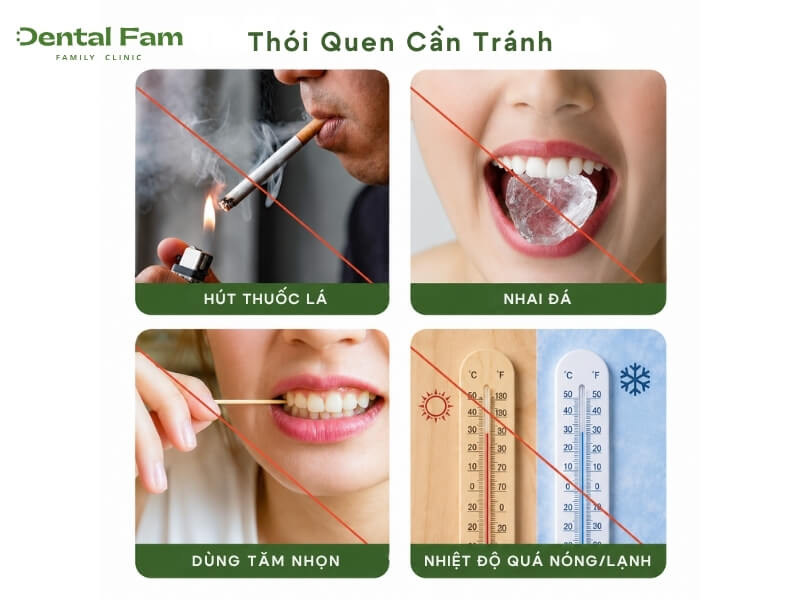
Besides diet, avoid the following three habits, as they can prolong tooth sensitivity if not avoided:
-
Do not smoke; this affects tooth color and also impacts gum and lung health.
-
Do not chew ice or excessively hard foods, as this can wear down tooth enamel, which is already sensitive.
-
Do not use sharp toothpicks; this can damage gums and expose tooth roots.
So, what if you've done all of the above and still experience sensitivity? The answer lies in choosing the right treatment method; not all methods are equally safe.
Safe and Scientifically Based Ways to Reduce Tooth Sensitivity at Home
Two safe and medically recognized ways to reduce tooth sensitivity are using specialized toothpaste and adjusting the temperature of food and drinks. Many folk remedies are circulated online, such as gargling with strong salt water or applying garlic to the teeth, but these methods lack clear scientific evidence and in some cases may further irritate already sensitive gums.
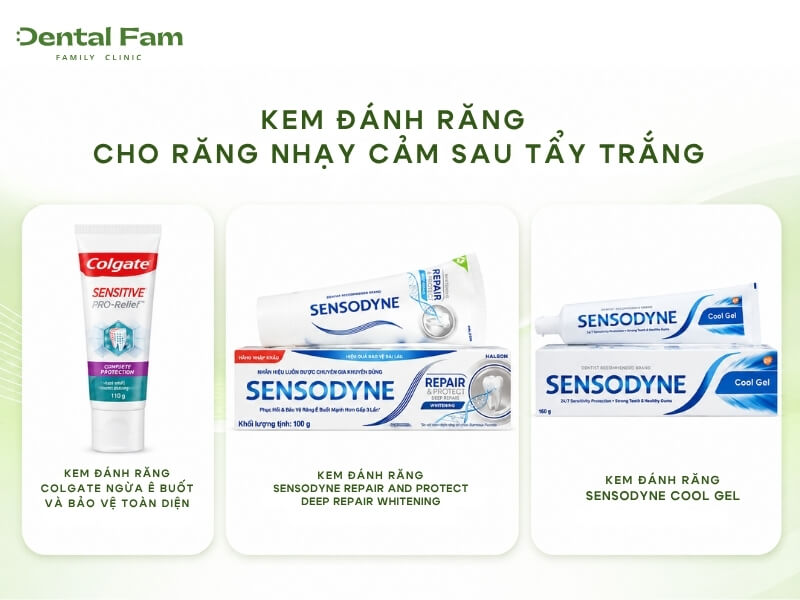
Use Toothpaste Containing Potassium Nitrate or Fluoride
According to the American Dental Association (ADA), toothpaste containing Potassium Nitrate helps soothe the transmission of sensation in the dentin tubules, while Fluoride supports remineralization of tooth enamel. Using it regularly twice a day in the first few days after teeth whitening can significantly reduce sensitivity; this is a sustainable and safe method if used correctly.
There are many different types of toothpaste on the market, but not all are specifically designed for teeth after whitening. You should choose one that clearly states a high concentration of Potassium Nitrate or Fluoride on the packaging. Some popular brands in Vietnam with formulas specifically for sensitive teeth include Sensodyne (Rapid Relief or Repair & Protect lines), Colgate Sensitive Pro-Relief, and Kin Sensitive.
When buying, make sure the packaging says ""for sensitive teeth"" and that the Potassium Nitrate content is 5% or higher; this is the concentration recommended by the ADA for noticeable results.
Adjusting Food Temperature, Using a Straw
Limiting direct exposure of teeth to extreme temperatures is a simple way to reduce sensitivity. Use a straw when drinking cold water, let food cool down before eating, and avoid sudden temperature changes in your mouth.
According to hydrodynamic theory, the most widely accepted theory of tooth sensitivity, sudden temperature changes cause fluid in the dentinal tubules to move rapidly, stimulating nerves and causing sensitivity. Avoiding these temperature shocks directly reduces the strain on sensitive dentinal tubules.
By applying these methods correctly, most cases of sensitivity will gradually decrease and disappear within a few days. But how can you be sure this is normal sensitivity and not a real cause for concern?
When should you see a dentist immediately?
Normal sensitivity has three characteristics: it appears immediately after whitening, its intensity decreases gradually each day, and it disappears completely within 1 to 3 days. This is the most important question in the entire post-whitening care process, because the line between ""normal"" and ""cause for concern"" isn't always clear based solely on subjective feelings.
Conversely, you should contact your dentist immediately if you experience any of the following signs:
-
Sensitivity that doesn't decrease but tends to increase over time.
-
Sensitivity that lasts for more than a week without improvement.
-
Spontaneous pain, meaning pain even when not eating, drinking, or experiencing any irritation.
-
Swelling, redness, or unusual burning sensation in the gums around the tooth.
When these signs appear, continuing to self-treat at home is not a safe option. It's time for a direct examination by a dentist to determine the exact cause, instead of guesswork and waiting. Schedule a consultation with Dental Fam if you fall into one of the above categories.
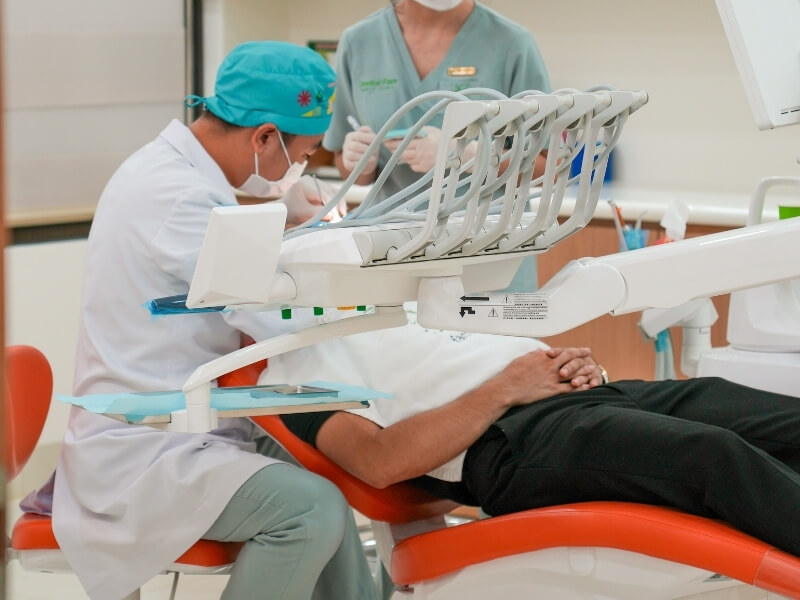
It's important to remember: most people who whiten their teeth won't fall into this category. Sensitivity is a common, temporary, and manageable reaction; you just need to know where the boundaries are to feel more at ease in the first few days.
After this sensitive period passes, the next question many people are concerned about is how to maintain that whiteness long-term, not just for a few weeks.
How to keep your teeth white for longer after whitening
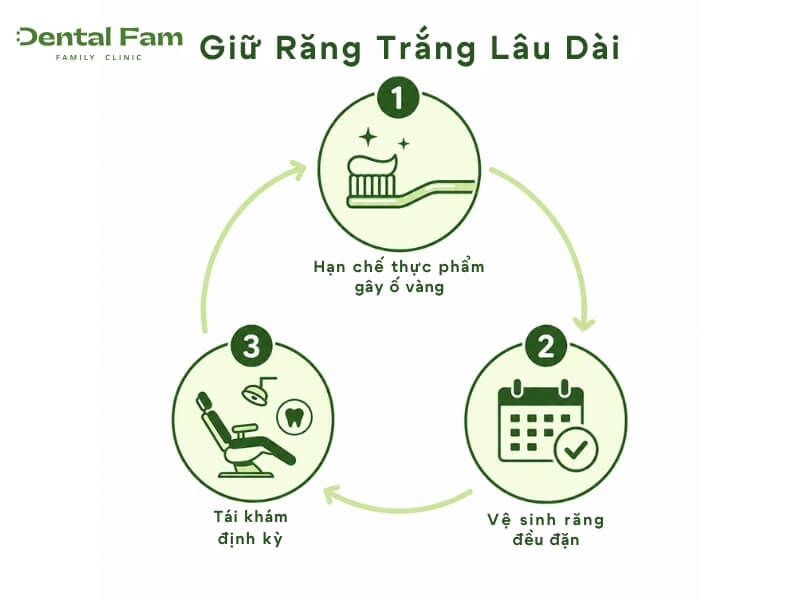
Three habits that help maintain the long-term effectiveness of teeth whitening are limiting dark-colored foods, regular oral hygiene, and regular check-ups. Unlike the initial 24-72 hours when the focus was on reducing sensitivity, these are long-term habits to adopt after tooth sensitivity has subsided:
-
Continue to limit dark-colored foods and drinks such as coffee, tea, and soy sauce as a long-term habit, not just for the first few days.
-
Clean your teeth regularly at least twice a day, combined with using dental floss to clean between teeth.
-
Have regular check-ups every 3 to 6 months for your dentist to examine, remove tartar, and detect any problems early.
But a question many people ask after reading this is: Is there a way to make the teeth whitening process less sensitive from the start, instead of having to deal with it later? What are the subsequent consequences?
Technology to Reduce Sensitivity at Dental Fam
Besides proper home care, the technology and procedures used during teeth whitening also affect the level of sensitivity you experience. At Dental Fam, the Crystal Teeth Whitening System (LED light-emitting diode) is used during treatment, helping to reduce sensitivity during the procedure. The cool LED light technology does not generate high heat on the tooth surface, making the whitening process more comfortable compared to traditional heat-generating methods.
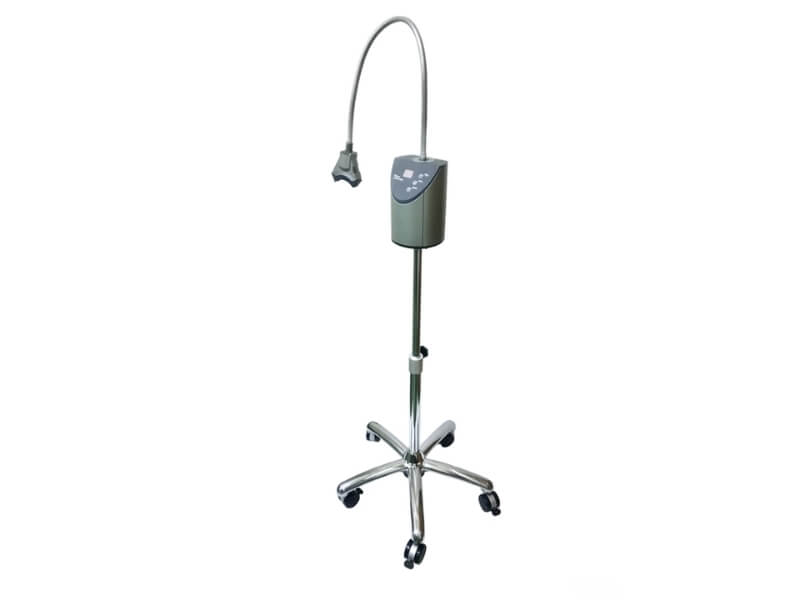
This is not a guarantee that you will feel absolutely no sensitivity, as this is a normal physiological reaction of the body. However, choosing a place with appropriate technology and procedures is part of minimizing discomfort from the start.
Frequently Asked Questions
What should I do first after teeth whitening?
The first thing to do is adjust your diet to a lighter-colored one and avoid irritating habits, following the detailed instructions in the ""How to care for your teeth in the first 24-72 hours"" section above.
Sensitivity after teeth whitening is a temporary reaction of the dentin, not a sign of tooth damage, and will mostly resolve on its own within 1 to 3 days if you take proper care: eat light-colored foods, brush at the right times, use the right toothpaste, and avoid irritating habits.
If sensitivity persists unusually long, do not hesitate to contact your dentist for an examination. At Dental Fam, the whitening process uses LED light technology to reduce sensitivity from the start, ensuring a more comfortable experience throughout the whitening process.
Dental Fam - Family Clinic
- Address: NOTT 28, 29, 30, Phuoc Long A Urban Area, South Nha Trang, Khanh Hoa
- Hotline: +84 582 582 345 / +84 983 001 768
- Website: dentalfam.vn
- Email: info@dentalfam.vn