Does Braces Cause Gingivitis?
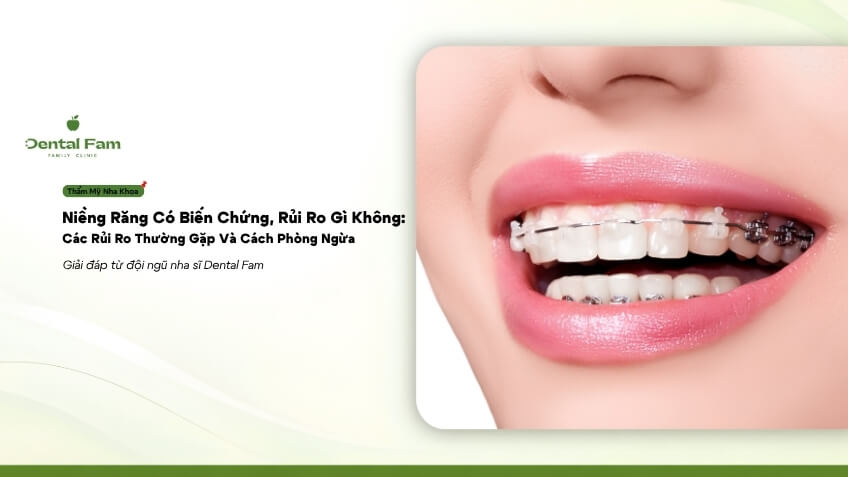
Yes, gingivitis is the most common complication of braces. It occurs because the brackets and wires create more nooks and crannies that trap plaque, which regular cleaning cannot completely remove. This allows bacteria to accumulate around the gum line over time, causing inflammation. Signs include swollen, red gums that bleed easily when brushing or flossing, and sometimes mild bad breath.
Gingivitis caused by braces is largely preventable by proper and consistent cleaning around the brackets, specifically by using interdental brushes and specialized dental floss daily instead of just regular brushing. Detailed instructions on proper cleaning to prevent gingivitis while wearing braces can be found in the article on caring for your teeth while wearing braces.
Do Braces Cause More Cavities?
Braces don't directly cause cavities, but they do increase the risk if oral hygiene isn't thorough. The brackets and wires trap food particles in hard-to-reach areas, creating a favorable environment for cavity-causing bacteria to thrive. The most common areas for cavities during orthodontic treatment are around the brackets and between teeth – precisely the areas requiring specialized cleaning tools.
Do Braces Cause Root Resorption?
Root resorption (shortening of the tooth root) is a risk that can occur when orthodontic forces are applied too strongly or too quickly to the teeth. However, this isn't a consequence of orthodontic treatment in every case, and mild cases usually don't affect chewing function. This risk is why the force applied needs to be calculated and adjusted gradually by the dentist during each follow-up visit, rather than applying strong pressure from the start to speed up the process.
Mild root resorption does not spontaneously regenerate because the lost root tissue cannot be restored. However, most mild cases stabilize after the traction is stopped and do not progress further unless there is another unusual force acting upon them. In old age, slightly shorter-than-normal roots at a mild level usually do not significantly affect the stability of the teeth in the jawbone, but this is why dentists need to monitor with regular X-rays to detect early if the degree of root resorption exceeds the normal threshold.
Does orthodontic treatment cause gum recession?
Gum recession can occur during orthodontic treatment due to the traction force moving teeth out of their supporting alveolar bone position, especially in cases requiring large-amplitude tooth movement, or due to improper hygiene causing prolonged periodontal inflammation leading to gum recession. Unlike gingivitis (which can be cured with proper hygiene), gum recession is a non-recoverable condition, so early detection through regular check-ups is crucial for the dentist to adjust the treatment plan promptly.
If I have gingivitis, cavities, or gum recession while wearing braces, do I have to stop treatment?
It's not necessary to stop orthodontic treatment if mild to moderate gingivitis or cavities are detected; dentists usually treat these conditions concurrently (scaling, fillings, or inflammation control) while continuing to wear braces, because stopping and removing braces midway interrupts the traction and can cause teeth to move in the wrong direction. Only in cases of severe infection, deep cavities reaching the pulp, or rapidly progressing gum recession should the dentist consider temporarily stopping part of the treatment (e.g., removing braces in the affected area) to address the problem completely before continuing.
Does Braces Change Facial Shape, Causing Sunken Cheeks?
This is a separate concern, commonly seen in patients who need tooth extraction to create space for braces. Detailed analysis of the mechanism and extent of facial impact is discussed separately in the article ""Does Braces Cause Sunken Cheeks?"".
How to Minimize Risks During Braces Treatment?
Three factors that minimize the risk of complications during braces treatment include: proper and sufficient oral hygiene as instructed, attending scheduled appointments for monitoring and timely adjustments by the dentist, and wearing a retainer after braces are removed to avoid further treatment due to tooth misalignment. These three factors are all within the patient's control and not dependent on luck, so full compliance almost eliminates the risk of serious complications.
Of the four risks mentioned above, gingivitis is the most common because it is directly related to daily hygiene habits, while root resorption and gum recession are less common, usually only occurring to a significant degree when there is unusual traction or prolonged, uncontrolled periodontal inflammation.
The period after braces removal also carries risks if retainers are not worn, which are analyzed separately in the article on retainers after braces.
Frequently Asked Questions about Complications During Braces
Does Braces Affect Long-Term Dental Health?
If proper hygiene is maintained and follow-up appointments are followed, braces do not negatively affect long-term oral health. Risks only increase when care and monitoring throughout the treatment process are neglected.
What to do if you notice any abnormalities while wearing braces?
Contact your dentist immediately for a check-up. Don't wait until your next scheduled appointment if you notice prolonged gum bleeding, unusual pain, or noticeable tooth loosening.
Are people with pre-existing periodontal disease at higher risk of complications when wearing braces?
People with pre-existing periodontal disease have a much higher risk of complications when wearing braces if the condition is not yet under stable treatment.
In short, braces can carry some risks such as gingivitis, cavities, root resorption, and gum recession, but most of these complications can be prevented with proper hygiene, scheduled check-ups, and wearing retainers after braces are removed. When risks occur, most cases can be treated concurrently without stopping treatment, and the level of control is high.